
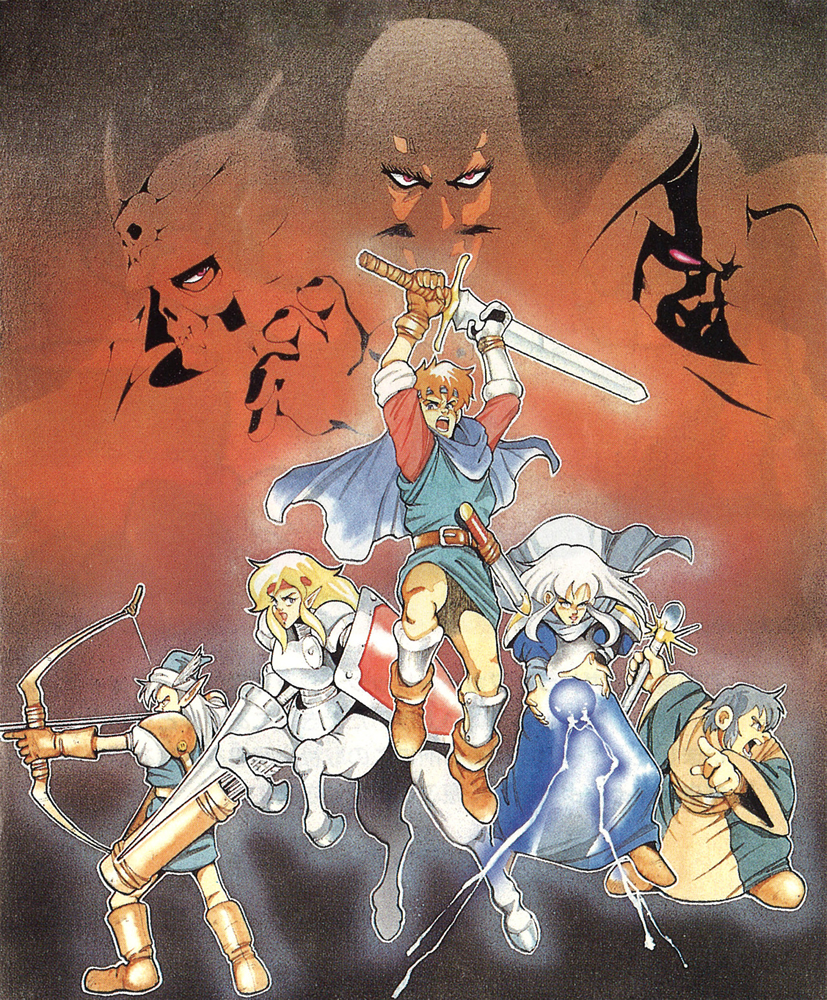
When released in March 1991, Shining in the Darkness became a hit, proving that Climax had been worth Sega’s investment and launching a franchise that would last for decades. After its release, fans expected Climax’s next title to be a sequel. Though different in gameplay style, Shining Force would be the bigger of the two games, and while it wasn’t a direct continuation, it did add to the story and overall lore Shining in the Darkness had created. What Climax would produce now wouldn’t just expand that game’s world; it would become the main line of the series and spawn sequels of its own on the Game Gear, Sega CD, and Saturn.
What gets lost in all the excitement over the games is what happened behind the scenes. The development of Shining Force not only may have seen internal division between members of Climax, but it also suffered from a fracture in the relationship between the studio and Sega. The games kept coming, but they became fewer and far between, culminating with Shining Force III’s incredible trilogy of scenarios cut to just a third when it arrived in the West. Ultimately, the Dreamcast suffered the distinction of becoming the only Sega platform aside from the 32X to not receive an installment in the franchise.
Sega’s RPGs Level Up
At the start of the 1990s, RPGs weren’t a big category for Sega, particularly in North America. That began to change with the release of major titles like Phantasy Star III and Shining in the Darkness. Increased sales led Sega of Japan to take steps to cater more to the role-playing audience. Sword of Vermilion, an action/RPG created by arcade powerhouse AM2, became the first foray by that unit into the consumer market, and Climax’s debut title exceeded its sales expectations, most notably overseas. Though it might not be as large a slice of the software pie as action titles or sports, RPGs had been slowly gaining popularity outside Japan, and Sega was now determined to give players more options in the genre.
To make this plan a reality, Sega would have to contend with the ever-growing size of modern RPGs. No longer were they simple games that could fit on a standard cartridge. Phantasy Star II, the franchises’ debut title for the Genesis, was six megabits in size, the largest for its time. Shining in the Darkness used eight megabits, more than any other RPG on the console at the time. As these games got larger, it took more people to make them. Climax only had the capacity to develop a single title per year, but Takahashi believed that releasing more RPGs could help change people’s impressions of the Mega Drive, so he approached the publisher about creating a new development team to help it with the planning of new RPGs. He knew that Sega’s management not only recognized the appeal of Shining in the Darkness but also the quality of its production. Takahashi had already been contacted by Sega about a greater degree of collaboration, so why not make it a true partnership?
Sega agreed and entered into a joint venture with Takahashi to create a new company called Sonic Co., Ltd. to handle the planning, market research, and marketing service of software for the Genesis and Game Gear. The six-person unit was founded in June 1991 with an investment of 40 million yen by Sega, who owned 85 percent, and Climax, which held 6.25 percent (Takahashi had the remaining four percent). It got its name from Sega’s spunky new mascot, whose debut title was in development. A mascot-related name was selected since Nintendo had affiliates named after its characters like “Ape Inc.” and “Mario Inc.” Sega and Climax wanted a name that represented Sega, and “Sonic” won out over the names of other Sega mascots, including “Opa-Opa” and “Alex,” when Hayao Nakayama revealed to Takahashi and Naitō that Sega was working on a new action game that would be heavily promoted.
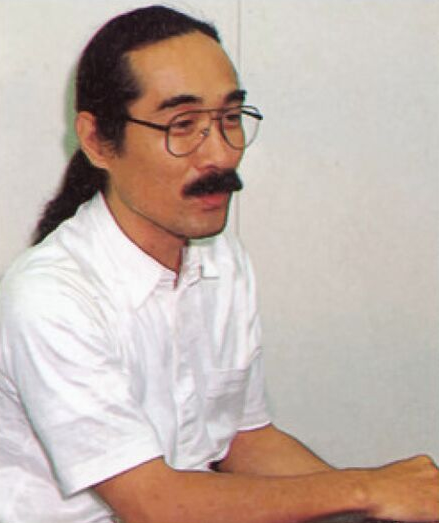
RPGs weren’t exclusive to Sonic Co.’s mandate, but they were a priority. To this point, game designers were usually responsible for creating everything related to an RPG’s storyline and characters, which often slowed things down. Sonic Co. was formed to help ease that process. “Game makers aren’t used to finding and using external staff, so it’s a lot of trouble for them,” said company Director Kenji Orimo. “Sonic’s staff has various know-how cultivated in industries other than games. Sonic is about utilizing that to assemble the optimal project for each game and acting as a production agent!” Orimo was well prepared for the task of identifying and recruiting qualified storytellers, having been involved with the manga industry since he was 21. At one point, he was serializing up to four different series each month. He was also an experienced programmer and had done editing work for game magazines and strategy guides. Anyone could just license the rights to a popular manga, but it was another thing entirely to have the artists themselves involved in game creation. The artists Orimo could bring to game development would be deeply involved, handling art and story elements. Their input would also be vital to turning their work into games. Sonic Co. was even prepared to commission work from specialists in different fields if it helped make a particular vision materialize.
Born from More Than Darkness
When Climax began work on Shining Force, the expectation was that it would be a direct follow-up to Shining in the Darkness. Rumors abounded, and even when pressed about it, Takahashi never directly said there wouldn’t be a continuation, but he did drop hints to that effect. In truth, he had been mulling over a different concept for a while, years before even forming Climax. With one game out, it was now time to make that vision a reality. Surprisingly, it didn’t originate in a desire to create a strategy game. The genre wasn’t something Takahashi was actively thinking of exploring. “I mean, they informed our work, but I already had the rough idea for a game like Shining Force just three months after joining Enix, now that I think of it,” he admitted in a 1992 interview with Famitsu magazine. Enix gave instructions to make a strategy title, one that required thought and consideration instead of just button mashing. Takahashi played one such game on PC, but it didn’t excite him at all. He did like the idea of having to use strategy in combat, but he wanted to make something that had the same robust story as the Dragon Quest games, one with a world rich with drama and memorable characters. He had a dilemma, though. Players were becoming fatigued with the turn-based combat of RPGs, which were now more numerous than ever.
Takahashi began to think about ways that RPGs could evolve. One avenue was simulation-style combat, but it wasn’t something he knew much about. When he joined Chunsoft (the company that made Dragon Quest games for Enix), he knew little about computers. He was there to do public relations and marketing. One of his duties was to provide the bonus inserts that came with the magazine Weekly Shonen Jump, and as the PR representative for Enix, he would occasionally make appearances in different magazines. This exposure gave him access to different game creators. Moreover, his involvement in the Dragon Quest series allowed him to interact with Famicom developers within and outside of Nintendo.
In many interactions, the term “simulation” kept coming up, so Takahashi decided to see what everyone was talking about. He tried several strategy games, like Famicom Wars and Nobunaga’s Ambition, but he wasn’t impressed. Contrary to what some people think, Nintendo’s Fire Emblem was not on Takahashi’s radar. “The tempo of that title was so bad that it wasn’t something I even wanted to play. Fire Emblem had zero influence on Shining Force,” he clarified. None of the titles he played left an impression on him. As far as he could tell, they simply transferred the systems used by board games onto a computer.
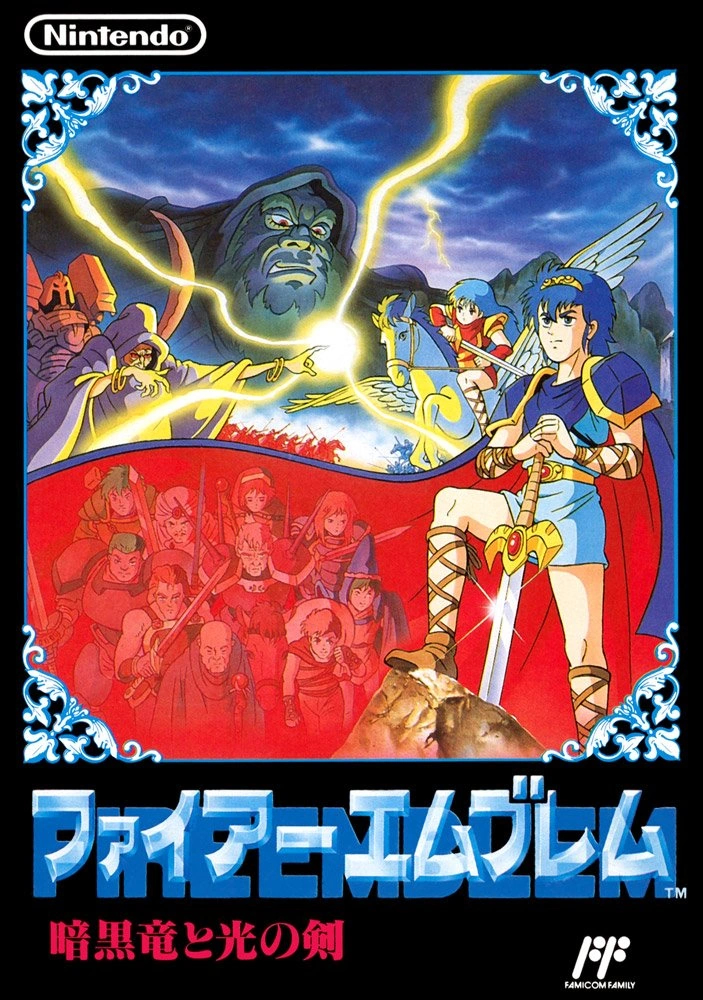
It was when Takahashi finally played the PC88 title Silver Ghost (1988) by Kure Software Koubou, that his opinion on strategy games would finally change. Where others had battles that took too long and gave players too much time to consider their next move, Silver Ghost had players manage and direct multiple characters. How could he turn those aspects into the next generation of turn-based RPGs? Several elements came into play, but a key one he considered was distance. “In a turn-based system,” he detailed, “the player and monsters are facing each other directly, right? That means the only choice you have in battle is action. But once you introduce distance… if you consider formations, advantageous positions, and spacing, the range of tactical choices in combat expands significantly.” He didn’t like the standard turn-based combat mechanic that RPGs all used because players were forced to move all of their combatants in a single round. It wasn’t realistic and would need to somehow evolve.
Takahashi spent two months trying to figure out how to update the tired back-and-forth monotony of turn-based combat. He considered that each combatant could have its own move set and abilities, thereby making combat more engaging and challenging. He brought that concept with him when he formed Climax in April 1990. Shining in the Darkness wasn’t the only way to communicate a story, even one within a shared game world. “I felt there were possibilities unfurling in the RPG genre, and I wanted to challenge myself to create RPGs in various styles,” he said. A new style of gameplay could add to the lore while introducing new ways to approach combat and adventure.
Takahashi didn’t get the chance to implement that vision while at Enix, and it was only much later, while development of Shining in the Darkness was winding down, that he was able to explore it more fully. He wasn’t entirely happy with the how that game turned out, so he thought about doing something simple, perhaps an RPG for the Game Gear. As the young designer fleshed things out, he began to add more and more to the concept, and it soon became apparent that the portable machine was too limited to bring his idea to life, particularly the fight scenes he had in mind. The project moved over to the Mega Drive in March 1991, but Takahashi still wanted to do something that used less memory than the eight megabits of Climax’s debut title. The group considered doing something light and easy that would be the same size of standard Mega Drive games of under four megabits. That idea didn’t last long. “Midway through the planning process, we started to think, ‘Wait, hold on… We’re supposed to be a company that delivers groundbreaking software that leads the industry… Is it okay to make a game that betrays our users like this?'” Takahashi wrote in his monthly column for Beep! MD magazine.
Indeed, the “simple” game soon evolved into something so ambitious that it nearly caused the entire project to collapse. Multiple characters? Evolving the turn-based battle mechanic? Accounting for range and terrain? It sounded more like a strategy game than an RPG. Programmer Yoshinori Tagawa and Scenario Writer Yoshitaka Tamaki, the talented artist who had created the wonderful look of Shining in the Darkness, both liked the idea, but several other Climax members weren’t so convinced that it was the right way to proceed. They were either unsure about strategy games overall or simply wanted no part of them, including the project’s Directors, Orimo and Yasuhiro Taguchi. Orimo didn’t understand the genre, and Taguchi just wasn’t a fan. He wanted Climax’s new title to be more of an RPG with a focus on plot.
That’s not to say that Shining Force lacked those traditional elements; it had them in every other respect outside of combat. Players still controlled the main character in the overworld and in towns, and they still went from building to building to speak to townsfolk and buy and sell weapons or items. Outside of the battle scenes, the game felt much like any other RPG of the period. The team gradually came around, and as the design began to take form, the idea of creating a strategy/RPG became more appealing.
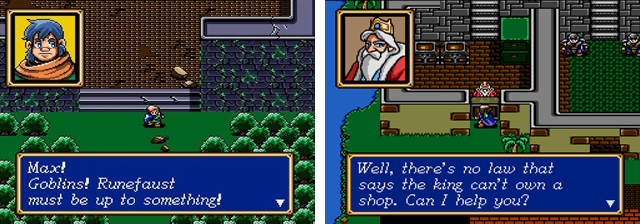
The added support of more designers and writers gave the company the freedom to pursue more than one project at a time. With multiple games in the pipeline simultaneously, Naitō would not be part of Takahashi’s team. He would, however, help out on more than one occasion. “I actually participated in Shining Force in the summer (of that year) and again around the end of the year, so about two months in total. Well, I was treated mostly as a kind of helper. That said, it was still pretty tough,” he detailed. His involvement was limited to programming the game’s different towns, which he did to the point where the screen would scroll. Once that was done, he would return to his own team and focus on designing the proprietary system being made for Climax’s third game, Landstalker. Its new technology, called the Diamond Shaped Dimension System (DDS520) powered that title’s isometric perspective. It would take Naitō a year to research before development on Landstalker could even begin, and proper work got underway only when Shining Force was winding down. His own project kept him from taking any further role on the Shining Force team, but he still shared Takahashi’s ambition to tell more tales of the Shining world from a different direction. Naitō preferred working with what Climax established with Shining in the Darkness as opposed to starting over fresh. It would take less time, and it would hopefully bring back fans who had bought the first game. “I felt it was better to increase the density within a single world and do more things there. In that sense, I think it was a reasonable decision,” he said in an interview for the Shining Force World Book. Others were able to pull double duty on both teams the whole way through, including Graphic Designer Hiroto “1610” Nakashima and Tamaki, who was no in charge of the character design, as well as programmer Haruki Kodera, who worked with data compression tools. Orimo served as director on both titles and also helped write Landstalker’s plot.
A Return to a Shining World
Its gameplay might differ from Shining in the Darkness, but Shining Force would be set in the same world, one inspired by Medieval Europe. Takahashi could now show the fantasy world he had long imagined, and he conceived the game as a prequel taking place on the dual continent of East and West Rune, far to the east of where the Kingdom of Thornwood from Shining in the Darkness would one day rise. The story began in the Kingdom of Guardiana, a peaceful nation charged with watching over the Gate of the Ancients. The king of learned that Ramladu, the ruler of the friendly nation of Protectoria, had been brainwashed and turned evil by a sorcerer named Darksol. Ramladu subsequently renamed his country to Runefaust, razing the countryside in search of the Key and Manual that Darksol need to resurrect the evil Dark Dragon, a powerful creature capable of destroying the world. Desperate, Guardiana’s king commanded a young knight named Max to assemble a force of warriors and stop Darksol before he could reach his evil objective.
Darksol…. sounds familiar, doesn’t it? Climax never hid the fact that both Shining games took place within a shared universe, but the studio wasn’t exactly forthcoming with exactly how the two were related. Scenario lead Masaki Wachi, a freelancer hired by Climax shortly after work began on developing ideas for the game’s maps and events, seemingly confirmed the connection – though unintentionally – in an interview but refused to reveal if the villain Darksol was the same.
And understandably so. Shining Force had an entirely different gameplay style, so the question was how it could build upon the already-established world while still achieving Takahashi’s vision of being something new and different. Shining Force had a deep plot, one that went far beyond what was included in the actual game. Takahashi had created an immense amount of backstory to the lands of Rune, chronicling the identities and populations of its different nations. Alterone, Beagle Mountain Pass, and Dragonia were all locations not included in the game beyond some mention in passing but that had their origins and characteristics painstakingly detailed in Takahashi’s notes. It was clear that he had intentions of establishing these places early so that they would be recognizable to players in later games.
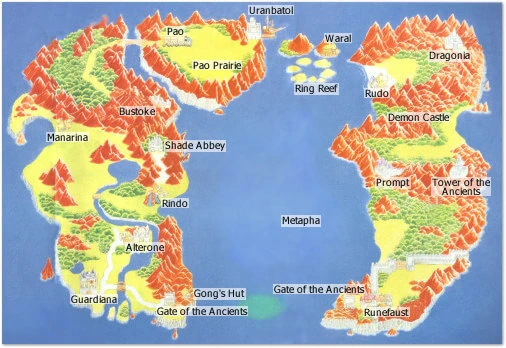
It would fall to Wachi to connect them all into chapters, breaking down the story into scripted events and battles. It was – pardon the pun – a world away from what the young writer was used to. his life changed drastically when he took the job with Climax, and it was his biggest assignment to date. He was 27-years-old and had been in the business for only six years, always working from home or borrowing someone’s desk, but now he was working with a team, and the hours were much longer. “For various reasons, it became necessary to finally set up an office – in other words, a proper place to work,” he said. The whole experience was kind of intimidating. Wachi distressed over the issue how to structure each scenario, and what he finally came up with connected the new game and presented a totally different atmosphere from Shining in the Darkness. Its world was a delightful mixture of fantasy and technology, one that combined wizards and knights with old men in tiny helicopters. That combination was another thing to worry Wachi. “At best, you could call the world rich with variety, but at worst, it just comes across as chaotic… It gave me a lot of anxiety wondering whether or not people would be willing to accept that,” he wrote in the forward to the Shining Force Strategy Guide.
Perhaps Wachi had some justification for his anxiety. There was no clear blueprint of what the world of the Shining games encompassed (that was part of what he was hired to do), and while there was always a need to create something new to attract players, it was also vital to maintain continuity. A complete disconnect could anger fans and potentially hurt sales. For instance, one of the most common complaints fans had with Phantasy Star III was that it barely related to the previous two games. Shining Force was to be more of an expansion of the setting introduced in Shining in the Darkness rather than the next chapter of its story. Orimo had mentioned to the Japanese gaming press that if Shining Force had been meant to be a direct sequel, Climax simply would have named it Shining in the Darkness II, and while he said that he hoped to make that game one day, he recognized that there was more potential in building on the established game world and lore though Shining Force.
He was correct, except that he never explained when or how that lore expansion would reveal how each Shining game was related. It seemed that Climax wanted the fans to piece the history together by playing each game, and indeed, one of the great things about the series is this underlying connection between them. Regarding Darksol, for instance, players have learned that the villain with that name in Shining Force is revived by Mishaela, another of the game’s villains and the main antagonist of the Game Gear sequel Shining Force Gaiden: Final Conflict, and together they have a son who becomes the Darksol from Shining in the Darkness! He would once more torment the land in the 2002 Game Boy Advance sequel, Shining Soul.
There may have been an attempt to link both games through story, but Climax’s intention of making Shining Force stand apart was clear just by looking at the graphics. For Shining in the Darkness, Tamaki used an art style than was two parts Western fantasy and one part manga – Takahashi’s ambition to make an RPG that was more appealing to audiences outside of Japan. Shining Force was more directed towards Japanese gamers, so the style, while retaining that fantasy look, was more realistic and less “Disney-like” in tone. “As you can see, I was conscious when making the characters of Shining Force to make them a bit more realistic compared to the characters in Shining in the Darkness. In a way, Shining in the Darkness had a kind of action-adventure film feel to it, and since the focus was on the dungeons, there was a somewhat stiff feeling. That’s why the character designs ended up being quite caricatured,” Tamaki clarified.
Moving the action from a dungeon to more varied locations meant that there would have to be a greater range in the art style, and the addition of multiple towns and party members brought more complexity to the relationships. Shining in the Darkness had more of a fairy tale atmosphere, with a trio of heroes battling through a labyrinth to rescue a princess. In contrast, Shining Force told a tale of a world at war, with entire cities suffering the consequences. There were deaths (and births!), and the tone was darker.
So different was Shining Force that for a while, it was not always certain that it would include the “Shining” part in its title. Climax threw a few titles around, and for a while, the title was just Legacy of the Gods (“Kamigami no Isan“). Takahashi, a sci-fi buff, had read some novels that had attractive subtitles, so Legacy of the Gods became the subtitle when Tamaki suggested Shining Force as the main title (Landstalker would be the first release in the series to not have the Shining identifier in its name). The subtitle appears in Japanese on that region’s instruction manual, as does Legacy of Great Intention in English, but the original Legacy of Gods subtitle was removed for its overseas release, perhaps to avoid any religious undertones. Interestingly, several issues of Famitsu magazine previewed the Japanese version only as Legacy of Intention, suggesting that the perhaps Climax liked it as much as the Japanese subtitle (maybe that’s why both are on the manual cover?).
A Cast of… Dozens
A recurring trait in Shining games that began with the inaugural title is that the main character never speaks. The hero of Shining Force, Max, continued the tradition, but he was otherwise a normal and healthy individual. Takahashi had a surprise for him at the game’s end, influenced by the manga he enjoyed as a child, expressly that of Ikki Kajiwara (real name Takamori Asaki). Kajiwara was famous for his manga about sports, which included classics like Star of the Giants and Tiger Mask. Each work centered on a hero with notable character flaws or who had to overcome immense personal challenges. Kajiwara’s influence was seen from the start with Max, the main character who was not a Guardiana native. At some point, he had washed up on a beach with no memory. Though human, his skill with a blade outmatched any of the royal knights, and he sometimes demonstrated abilities that he could not understand. Takahashi would add another twist to Max’s journey at the game’s climax, one that would leave players in suspense until Shining Force Gaiden: Final Conflict on Game Gear where they would finally learn his fate.
Thankfully, Max wasn’t alone on his journey. One of the more memorable aspects of Shining Force was its eclectic cast designed by Tamaki and animated by Hidehiro Yoshida. Over 30 characters from 10 races including giants, birdmen, and even dragons were included to show the many and diverse inhabitants of Rune, and each belonged to one of several specific classes. Players could organize their party to their liking by mixing and matching archers, knights, mages, monks, ninjas, priests, and swordsmen. Some joined the party through events in the story, while others could be recruited by speaking to them in taverns or other locations. A few were hidden and could only be found by performing certain acts, like reading Musashi’s note in the town of Prompt or obtaining the Domingo Egg in Manarina and hatching it later. Over the course of the game, their relationship with Max grew, though not to the extent Takahashi wanted. He had planned to have their dialogue change with each chapter (along with the design of the headquarters), but desisted at the protest of the programming team.
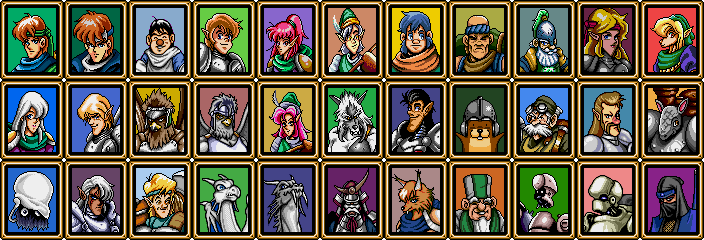
Many of the characters Tamaki included were humanoids with animal features, partly due to his mandate to create fantastic creatures to populate Rune and partly a manifestation of his passion for animals. The large number of centaurs in the game – knights like Ken and Mae and the Rune Knights – had a simpler start: Tamaki couldn’t draw men on horseback. He wrestled with the problem for some time before realizing that he could just draw half-man, half-horse hybrids. He made the centaurs the Royal Knights, the most powerful class in the game and a vital component as frontline fighters. Members of the Climax staff had their favorites, and far and away the winner was Zylo the wolfling. More than a dozen of the staff found him to be “the coolest” of the bunch. Tamaki liked him because he was a beastman (no surprise) and because of his combat style, while Nakashima simply liked his clothes! Surprisingly, Max was among the least popular Force member.
One might be inclined to think that Max’s unpopularity with the developers was the reason why he rudely got pushed out of the way each time he met a new addition to his squad. Think of it: after a touching scene where a character pledged to fight alongside him for justice and freedom, they toss him aside like a bag of garbage as they plowed through the doorway on the way to headquarters. Luckily for Max, the sour treatment had nothing to do with opinions of his personal worth. It all came down to Climax not liking the way characters in RPGs overlapped or walked through each other since it wasn’t realistic. Avoiding this overlap left no place for Max’s new companion to go, so he ended up getting pushed aside. It wasn’t graceful, but it worked.
As Force members obtained experience in combat, they gained levels that made them stronger to the point of becoming eligible for promotion. This unique event transformed the character to another, more powerful class, complete with new graphics and battle animations. It was a wondrous site to see, and players would often grind specific characters in battle to promote them as quickly as possible. Promotions were an optional but grind-worthy goal because, along with seeing the characters’ new look and combat animations, they now had access to more advanced weaponry. Many of the end-game equipment couldn’t be used by characters who had not been promoted, and players often found themselves fighting battles until only a single enemy remained, using an angel wing or the egress spell to return to town and heal, and then return to the battle so that their favorite heroes could reach promotion levels and use the best weapons.
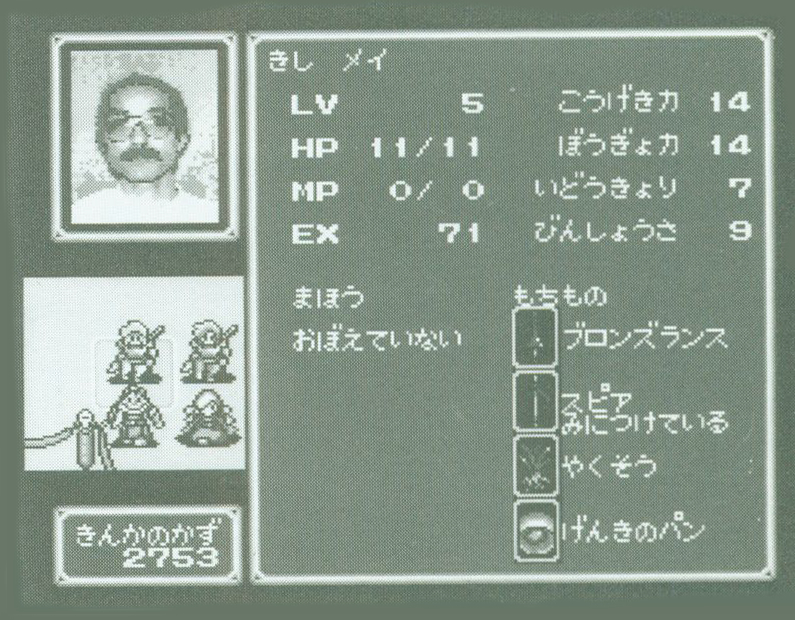
One character that became a fan favorite over the years despite having no promotional evolution was Jogurt (spelled Yogurt in Japan), an odd, hamster-like creature who started as a graphics test and evolved into an in-house joke. Up to this point, the programmers were using actual photos of staff members as placeholders when the character status windows were opened until Tamaki could draw them all. When one of them asked him for a design, Tamaki only had a doodle of the hamster, making Jogurt the first character he drew for the game. “I said to him that I had not even drawn the heroes and that even this drawing was not finished. He told me that it was not important, that anything would work, considering it was only to enter graphic data. This is why I gave him the drawing,” the designer revealed. Jogurt’s name also came from this early stage of development. For some reason, the syllable “yo” came up during a conversation, and when the team looked for words associated with it, different foods came up. One of them was “yogurt,” and the name stuck.
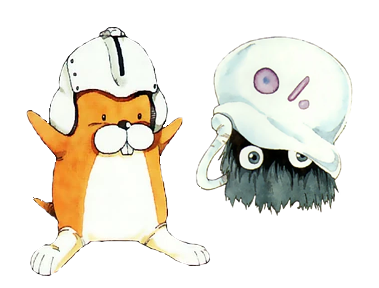
Humorous origins aside, Jogurt had no real functionality in battle. He could only deal a single hit point of damage, but if that single point managed to kill an enemy, players would be rewarded with a Jogurt Ring. Equipping it on a character turned them into a Jogurt, meaning players could fight the evil Dark Sol with an army of hamsters! Such silliness was a welcome addition to Shining Force, and Tamaki had a habit of providing characters with their own identities, no matter how trivial their role in a game was. Naitō fondly referred to him as “Tamakichi” (the “kichi” suffix meaning “good fortune or good luck”). “Tamakichi didn’t just draw pictures; he also thought up detailed backstories for his characters, and Tamakichi even came up with this inscrutable backstory for Jogurt that he was personally very proud of,” Naitō fondly recalled. The little hamster was a hit with the other staff members (probably because his face was based on Orimo’s), and he was added to the game. Naitō even took the time to program him in several places as an Easter egg. Jogurt became so beloved by fans that he made a cameo in the Game Gear spinoff, Shining Force Gaiden: Final Conflict. He even appeared on the Japanese cover of Climax’s final game with Sega, Time Stalkers, on the Dreamcast.
That was the kind of dedication that Tamaki brought to the Shining Force team. He was the embodiment of what Orimo said about artists becoming deeply involved with a game’s storytelling. Naitō described Tamaki as loyal and compassionate and recalled how for Landstalker, the artist would draw until he was completely exhausted, often using the “nap room” in Climax’s new office for breaks. Many times, Naitō would help him when he was too tired to drive. “More than once, I drove him home to his house in Kanagawa in the middle of the night,” Naitō explained. “On days when the journey home was too much, I would take him to my house, which was near the office, and get a bath ready for him. If too much time passed without him coming back out, I’d go in to check on him only to find him lying in the bathtub, fast asleep.”
Tamaki’s exhaustion was understandable. He hadn’t been prepared for the sheer number of characters he would have to design, and it was a bit overwhelming for him at first. “At the time, I agreed, thinking it would be a nice job, but then when I got home and thought about it, I said to myself: ‘Oh yes, if I remember correctly, there are 24 characters…,’ which is double what a designer normally does,” he confessed. It was indeed an immense amount of work, designing the looks of over two-dozen characters, along with all their new artwork when they were promoted. Tamaki occasionally felt a twinge of panic, but he completed some amazing designs for each hero. Considering the number involved and that many were of the same class, Tamaki was able to give the characters their own look and personalities, adding some individuality to each one.
Not all the members of Max’s team were as beloved as Jogurt, especially by the development team itself. Domingo, in particular, was one character that several members hated. Orimo considered him useless while Wachi and Tagawa thought he was overpowered. Even Tamaki admitted that it wasn’t easy to understand his purpose. Still, the floating squid did have his uses in battle (much more than Jogurt, at least), and he has managed to endear himself to fans over the years, who like him for his quirkiness and for being so unique among the other types of Force recruits.
Along with the characters, Tamaki also conceived a huge array of monsters. A few creatures were teased in early previews, official artwork and all, but never made it into the final game. The mimic was one creature that would lure players in with the promise of treasure, only to sprout legs and attack. Such monsters would make it into future sequels, but we wouldn’t see an actual mimic until 1996 in Shining the Holy Ark on the Saturn. Wachi did inject a degree of humanity into the villains that wasn’t typically associated with RPGs. For example, several of Dark Sol’s generals were unwilling participants in his campaign, and it took their defeat to restore them to their true selves. Such characterizations made them a bit more sympathetic and placed a bigger spotlight on Dark Sol’s utter cruelty.
To manage such a large ensemble, Climax refined and updated the menu command system developed for Shining in the Darkness. New options were added, given that the townsfolk no longer detected the player’s status or condition. Such a change, while unfortunate because it made towns much less lifelike than before, was understandable. Shining in the Darkness had only one location where players could interact with the locals, while Shining Force had several. Also, there were now a dozen playable characters to work with instead of only three. Managing so many heroes necessitated the inclusion of a “headquarters” where they could be added or removed to the active party and where Nova, Max’s advisor, could offer valuable advice before each battle.
Climax did add some new features, such as a repair option for weapons that could break during combat. The “special deals” menu no longer offered new weaponry but rather a means for players to buy back any rare items sold. Despite these added options, the menu system remained mostly intact. The biggest change was cosmetic, and the menus now looked a bit cleaner and a bit more defined than before.
Shining Force had a wide range of weaponry for each character, but the only defensive items that could be equipped were rings. Climax also included some hidden goodies. Some were only cosmetic, like the Sugoi Mizugi and Kitui Huku, which changed the outfits for Tao and Anri in the overworld when they equipped them. Others sounded amazing but ultimately did absolutely nothing at all. Taguchi admitted that these “useless items” were inside jokes that development team had fun with. “Kenji is the nickname for Mr. Kenji Orimo. Kaku-chan is the nickname for Mr. Kakusaka, one of the development staff. Teppou is the Japanese word for gun, but it can’t be used as a weapon. It’s an item made at will by a gun mania [fanatic] in [the] development staff. It’s the same with Youji,” he revealed in a 2002 reply to a fan letter by the website Shining Force Central. For years, players wondered what hidden purpose these items could have had, not knowing that they were merely an Climax inside joke.
Battles of Another Kind
In the early 1990s, console RPGs may have been a niche genre in North America, but they were hugely popular in Japan. One of Takahashi’s main complaints was how many of them put most of their emphasis on story and considered battles to be secondary. He contended that since players spent most of their time in battles, grinding for money and experience points, combat was just as important as the plot. If the majority of gameplay was spent fighting, then RPGs should try to make that aspect as entertaining and engaging as possible.
To that end, Takahashi didn’t want standard fight scenes like one would find in a typical strategy-type game, where players and monsters simply swapped attacks. “I started to get greedy… I didn’t want to do normal fight scenes, I wanted the enemy turn speed to be quick,” he quipped. Takahashi wanted the scenes to be animated so players could enjoy the sight of each hit and marvel at the power behind them. He also wanted the battles to move quickly, and as mentioned earlier, he simply couldn’t stand how slow and burdensome a turn-based system made battles – a flaw of many strategy games. He was convinced of the grandeur in-game combat could have when Tamaki showed him the opening animation to Sega’s strategy/RPG Bahamut Senki (Record of the Bahamut War), where a dragon swooped down from afar and breathed fire. Takahashi loved it and wanted to do something similar. What he didn’t know was that the game’s opening used half of the cartridge’s 4Mb total memory!
Climax decided that a combination of more complex AI routines for smarter enemies and animated battles would make combat more exciting. Some clever (and secret) techniques were used to make the enemies think faster and move more realistically, a solution Takahashi said “had the elegance of Columbus’s egg,” a reference to a 16th-century story about Christopher Columbus responding to his critics talk of trade routes to India being inevitable by challenging them to stand a hard-boiled egg on its tip. Columbus then succeeded after they failed by tapping the egg to flatten its tip, making a seemingly impossible task become easy. The process was incredibly challenging and required lots of trial and error, but eventually Climax was able to refine its battle system to be fluid. According to Tagawa, enemies would begin their turn by determining their direction and required action, such as attacking physically, using magic, or healing, and they could make all those calculations within one second.
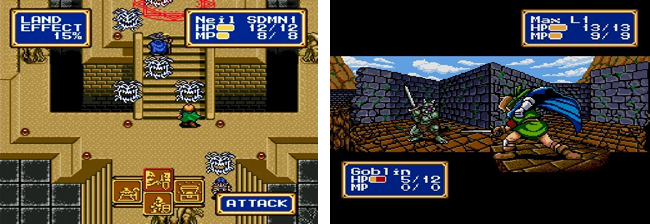
Shining Force’s battle system killed two birds with one stone. First, the enemies were quick, smart, and took less time to plan their moves, which made them seem more intelligent and challenging. Second, it sped up battles, removing that sluggish and cumbersome mechanic of taking turns that Takahashi hated so much. Each combatant had several ability scores, like attack and defense, and agility determined how fast they could act. Those with high scores not only acted first, they could sometimes do so more than once per round. Takahashi’s notions of distance and range also became integral parts of the combat, as each map was created with different types of terrain that affected the movement of both characters and enemies alike. All these innovations made the the game’s combat system grow organically, with Climax members adding new ideas. Eventually, the plan had ballooned to something so massive that it wasn’t clear if it would even fit within the 12Mb limit Sega had set, the largest of any Mega Drive game to date.
And therein lay the big problem with making the fight scenes the way Takahashi wanted them: animating them took up far too much memory. Climax paid special attention to animating the various attack patterns for each character any enemy in each battle, which consumed a ton of data. “Specifically, even a single character has a wide variety of attack patterns, from simple weapon attacks to special attacks like magic,” Taguchi clarified. “Even weapons, like swinging a sword or shooting a bow, are difficult. That’s why adding one character means adding multiple patterns.” Compared to Climax’s debut title, which only had three characters, the massive cast of Shining Force had dozens of times more character patterns. To make their movements as realistic as possible, no sprites were re-used when they were viewed from a different direction. Each one was drawn fresh from every different angle, so that slashes and blows were unique to their particular direction.
Along with those extensive memory demands was the fact that the background and character sprites were large and detailed. The 29 battles in Shining Force took place in multiple types of terrain that included mountains, caves, forests, and even onboard ships. In all, players fought evil in 31 different screens, which were almost all the concepts that were drawn up by Wachi and Tamaki. Across all these beautiful backdrops, the characters weren’t static; they all had several ranges of motion when fighting and new animations took over whenever a character was promoted and changed class. The enemies were just as mobile. Where many other RPGs only animated a small area of each enemy during battles, in Shining Force the entire creature attacked with flashy effects, like jumping to slash or when breathing fire. For this reason, the game had a smaller variety of foes for players to combat.
The way Climax handled the battles did a lot to offset the reduced enemy variety. Tamaki’s approach to each scene in his mock-up artwork gave them a more cinematic feel that players could enjoy watching over and over. The idea had been to make the battles full-screen like movies that used a Cinemascope-like effect (a cinematographic technique that used an anamorphic lens to produce widescreen pictures). but VRAM (Video Random Access Memory) limitations made that impossible, so the top and bottom of the screen weren’t made visible. A little detail Tamaki included was the outcropping of rock each character stood upon during combat. “We wanted to try and use that image for the in-game screens if we could. We called it otachidai [platform] at first, but later we started calling it otoko no hanamichi…,” Taguchi said, referring to the side stage in kabuki theater through which actors entered and exited the main stage). The platforms changed depending on the terrain, as did the backgrounds. With the bottom of the screen cropped as it was, only the platform where the character stood could be seen.
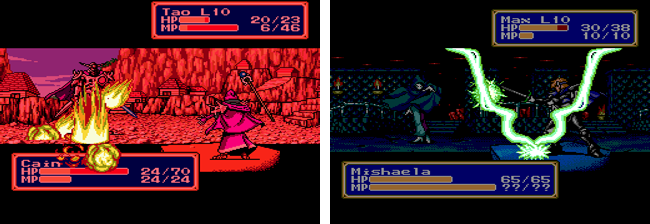
All of this animation consumed a ton of cartridge space, and Climax calculated that it would require more than 40Mb just for the battles alone. Some powerful compression routines had been made for Shining in the Darkness, but that could slow things down because the required graphics were difficult to compress. Normally, only about a 50 percent compression rate could be obtained, but Climax refined its routines to bring the files down to an impressive 22 percent of their original size. The result was that virtually all of what had been mapped out for the battle scenes made it into the final game. “Normally, no matter how awesome the concept illustrations may be, they end up being represented on-screen with chintzy little sprites,” said Orimo. Such was not the case with Shining Force.
Climax’s compression magic helped include much of what Takahashi wanted to make the battles look spectacular. Likewise, the AI routines made combat a lot more engaging by mixing up the combat order. “It’s not a phased system like a typical simulation, where enemies and allies alternate inputting commands. Rather than issuing commands to all allies first and then the enemy, it’s a mixed battle of enemies and allies,” remarked Taguchi. Shining Force’s enemies wouldn’t let players gang up on a weaker unit, and they held back if the battle was going well. Offensively, they didn’t randomly attack party members and would instead would go after those who were weaker or hurt, preferably charging Max if possible. That last detail was crucial because even if all other party members were alive and well, the battle would end if he were defeated, and players would be sent back to the last town they visited.
It would be easy to think that since Shining Force was announced at the same time as the upcoming Mega CD, Climax could have simply waited to release the game on that platform and avoid any memory or sound limitations. Takahashi considered it but then decided to stick with a cartridge release. The Mega Drive already had a decent installed userbase, and he wanted Shining Force to reach as wide an audience as possible. The Mega CD would take far too long to match that Mega Drive in sales, so cartridges were the logical choice.
The Sounds of Battle
Masahiko Yoshimura, the brilliant mind behind the soundtrack to Shining in the Darkness, returned to score Shining Force. Whereas his themes in the first game inspired players to journey into the perilous labyrinth and explore its many levels, this time around they were more noble in tone. From the welcoming and friendly jingles of each town to the determined and darker melodies of each battle theme, the soundtrack was one worthy of connecting your Genesis to a stereo system. This was definitely not the music to Shining in the Darkness, but it was close enough in style to be recognizable as Yoshimura’s.
And that is where his involvement in the series seems to end. Yoshimura composed the music for the first two Shining games, but then he completely disappeared from their catalogue. All subsequent sequels on the Genesis and Game Gear were composed by Motoaki Takenouchi, who also wrote the score for Naitō’s Landstalker. Was Yoshimura replaced? Did he quit? It’s not clear, as he has not had much of a public profile in the proceeding years, and as of this writing, his YouTube channel doesn’t get updated very often.
Yoshimura is something of an enigma in the video game industry. It is known that he was a member of Mecano Associates, a group dedicated to sound design and composing music for Game Arts. Between 1985 and 1993, its composers scored multiple games for the PC88, NES, and the PC-Engine. Mecano Associates was also responsible for the soundtrack to Alisia Dragoon, which released a month after Shining Force and for Silpheed in 1993. It’s unknown if Yoshimura had any kind of role in the Sega CD release of Silpheed, but he is listed in the note of the Silpheed-PC Sound of Game Arts as the composer for several tracks for the PC-88 version.
It could be possible that Yoshimura stopped composing music for console games altogether. He wasn’t satisfied with how the soundtrack to Shining in the Darkness sounded on the Genesis, which prompted him to record orchestrated versions for his Sound Story of Shining & the Darkness CD. It seems that Yoshimura wasn’t content with his Shining Force score either, as detailed in the linear notes to the Shining Force Game Guide Book: “For this book’s CD, which is a special supplement, the composer went through the trouble of rearranging the tracks since the Mega Drive’s sound couldn’t express the beauty of the finished work.” If true, it would be an unfortunate turn of events. Yoshimura was an exceptionally talented composer and musician, and one can’t help but wonder at what other amazing soundtracks we could have experienced had he continued working with video games.
Shining Through the Fractures
Just as it had with Shining in the Darkness, Sega held a press conference to announce the development of Shining Force. On August 27, 1991, the game giant made several announcements at the event, including the release date and price for the Mega CD add-on and the formation of two other affiliates alongside Sonic Co. Ltd., Sega Falcom and SIMS Co. Ltd. Sega CEO Hayao Nakayama was present, and while the conference did seem larger in scale than the one held for Shining in the Darkness, there was less emphasis on Climax’s new product, which was the only one announced by the three new companies.
Could that kind of treatment have contributed to the fracture between Climax and Sega? As mentioned in our deep dive of Shining in the Darkness, Sega didn’t exactly value the studio’s contributions to its RPG sales as much as Takahashi would have hoped. The budgets assigned to both that game and Shining Force were minimal, barely enough to cover development costs. After Shining in the Darkness sold in excess of 300,000 copies, one would have expected Climax to get a boost in financial backing, but the royalties alone weren’t enough to cover further the studio’s costs. Worse, changes in Sega of Japan’s management structure began to reflect the culture of a growing company more concerned with profit than developer creativity. Takahashi saw a change he didn’t like, and he found Climax’s treatment even less tolerable. “When Sega’s managers were replaced, we came to be seen just as a small, unruly subsidiary that wanted things its own way, and because of that we were forced out of Sega’s main line of business,” he lamented to Retro Gamer in 2010. Things would continue to deteriorate after Shining Force shipped, having a direct impact on Climax’s next game. For now, though, the group continued work at a feverish pace.
Takahashi contends that it was the youth and inexperience of the Climax’s staff that made Sega so… frugal, shall we say, with its budgeting. That justification may have applied at first, but by the time Climax began work on its second title, things should have changed. In Sega’s defense, it did allow Climax more leeway to take its next project in a different direction. The unexpected popularity of Shining in the Darkness overseas didn’t come until after work on Shining Force was well underway, so Takahashi decided to tailor the game to the Sega’s primary market, Japan.
Off to a Bright Start
Climax worked feverishly to have Shining Force completed for the 1992 Winter Consumer Electronics Show (CES) in Las Vegas, a mere two months before its Japanese release date. Takahashi declared a state of emergency to make the deadline: extended hours for everyone and no days off. His crew was working under a ton of pressure, having been denied the typical two-month window between final ROM submission and production that was used for debugging and other tests. Because Shining Force was 12Mb, more time was needed, and Climax had to submit the final ROM by December – a whole month earlier. The crunch had been tough on everyone, with story rewrites happening as late as two weeks before the targeted date. Several members had even moved so that they could be closer to the company office, which itself had been relocated in September to a larger corner building down the street. Taguchi was one of those members who had his commute affected. He described this period as “hell,” and mentioned that he hadn’t been able to arrive at work and leave the same day for a month. “It’s nice that I don’t have to worry about the last train since I moved, but… that’s why I’m still facing the monitor now, past one a.m.,” he once wrote.
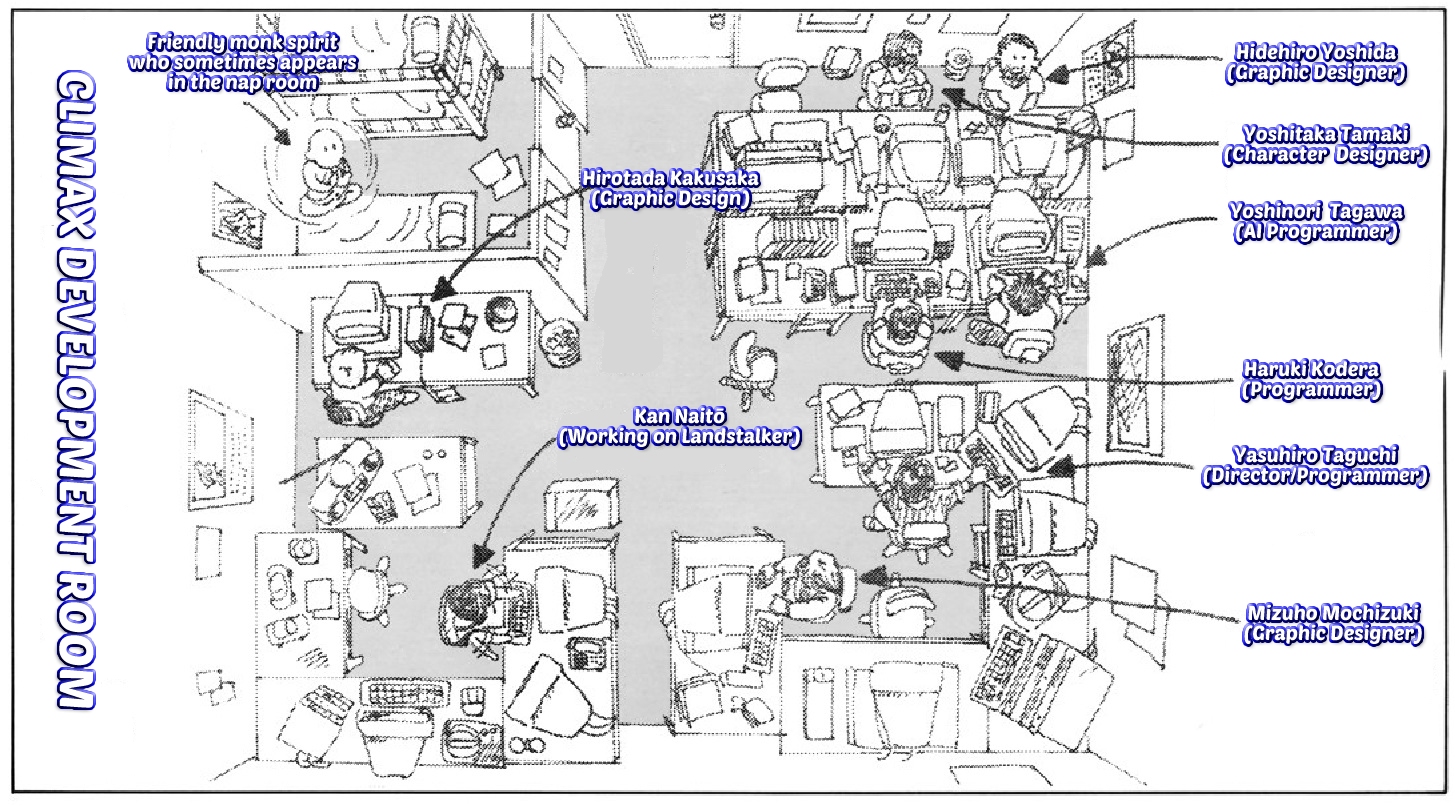
Pushing through to make the deadline, the Climax staff remained highly motivated, spurred on by the accolades the game had received by the Japanese press during previews and by player reactions during fan events. Although it was designed more for a Japanese audience than a western one, Takahashi and others were confident that Shining Force was a game that could appeal to gamers worldwide. It wouldn’t reach North America and Europe for almost another year, but the positive reception it received at CES prompted Sega of Japan to keep the marketing train rolling, and events were planned around Japan for people to try Shining Force before it was released.
Famitsu magazine held a preview event called the “Shining Force First Party,” which took place on February 9th and 16th in Tokyo and Osaka. At each location, 40 monitors with Mega Drive consoles were set up, and 300 guests who were selected by Famitsu after sending in postcard with their name, age, and address could try Climax’s newest title for 15 minutes. Several other Mega Drive releases were also available for play. Takahashi was on hand for a Q&A and to offer strategies to the players, and a raffle was held. Reportedly, he offered some information about the next game Climax had in development, which was well under way. Those in attendance didn’t know it at the time, but they probably got one of the first glimpses of Landstalker.
Also happening that month was the filming for the official Shining Force commercial that would air on Japanese television. In it, the Force battled against an evil Rune knight and lizard man. It was a fairly large production, filmed on a realistic set with a castle backdrop and using specially-crafted miniature monsters. Each of the characters was shot individually and composited into the scene, which ended with Max landing a critical blow against the knight’s shield, complete with a sharp visual effect. The production company, Vis Inc., even hired a professional model to play Max. The commercial would not be the last Climax title to use miniatures as a promotional tool. Naitō’s Landstalker would have dioramas of different locations and scenes on display during its release presentation to help explain how it played.
A month later and just in time for the game’s launch, a manga adaptation by Pokémon artist Toshihiro Ono called Authentic Story of Saint Fencer Max was published by Shogakugan, the same company behind several Shining Force players guides. Discussions for the manga began in January, and Ono was able to play an early version of the game. The first chapter appeared in Shogaku Gonsensei magazine, with subsequent installments coming out in Shogaku Rokunensei. Ono aimed the work at middle schoolers, and it ran until August 1992. It was later collected into a single volume. It was the first of several manga stories taking place in the same universe of the first game, most notably Tamaki’s own Doom Blade that bridged the game with Shining in the Darkness and Shining Force: Kamigami no Kourin, which was set a few years after Shining Force.
When the Second Becomes the First
Shining Force was hailed by the press and fans upon its Japanese release on March 27, 1992. Western audiences loved it just as much when it arrived a year later. It was a wonderful mix of strategy and role-playing, without requiring deep knowledge of either genre. Accurate sales data is not available, but according to Yoichi Shimozato, Producer on the Game Boy Advance remake Resurrection of Dark Dragon, the game sold just under 200,000 copies worldwide. If true, that number would be surprisingly low because of how popular Shining Force seemed to be when released in Japan and the buzz it created in the press. Most Japanese game magazines covered it extensively, even interviewing Takahashi, Naitō, and others on multiple occasions.
Objectively though, there are several possible reasons why Shining Force failed to outsell Shining in the Darkness. Perhaps it was the change in gameplay style that threw people off. Combined with the fact that references to the original game were subtle, people may have considered it a separate title altogether, with no relation to the first Shining release. Another possible cause was the fact that strategy titles weren’t popular on consoles at the time, notably in North America, and many gamers might have thought that Shining Force would have been too complicated to play.
Regardless of the reason, it’s remarkable that Shining Force didn’t sell more. Over the years, the game has become one of Sega’s most recognizable 16-bit titles, earning inclusion in several compilations, like Sonic’s Ultimate Genesis Collection (2009) for PlayStation 3 and Xbox 360, as well as digital releases on the Wii Virtual Console and for iOS. It has been recognized as one of the greatest RPGs on the Genesis and of the entire 16-bit era and holds a special place among the Shining titles in the hearts of fans around the world.
A Whole Bunch of New Worlds
One of Shining Force’s most notable achievements is that it spawned an entire series of its own, something Shining in the Darkness never did (the closest sequel was Shining the Holy Ark). Along with the 1993 Genesis sequel, new installments were released on the Game Gear, Sega CD, and Saturn. The original game was remade in 2004, and although that port was helmed by a different team, the fact remains that Shining Force is the flagship series within the Shining line of titles. It is the game most people associate with the franchise, and its popularity has only grown with time. Takahashi has gone on record that he would like to do a fourth game, but given that Sega owns all the rights to the franchise, and knowing the history of its relationship with Climax, it’s highly uncertain whether such a project could ever be realized.
Subsequent games in the franchise improved upon Shining Force’s basic formula, but there is still something about that first game that the others cannot emulate. It was a fresh and wonderful title that merged two genres seamlessly and showed that strategy games were indeed accessible to console gamers. Genesis owners who haven’t yet played it should make some time to do so. Shining Force remains one of the console’s seminal titles. It fathered a sub-series of its own, and it set the stage for the third act of Climax’s Shining trilogy – one that would be the first title without the guiding hand of Takahashi.
Naitō’s project, Landstalker, was the game that he and Takahashi considered would be the third chapter in their trilogy. It also had ties to the Shining world, and when released in October 1992, it concluded Climax’s vision of expanding the created world through new styles of gameplay. Naitō’s team would finish Landstalker before the end of the year, and it would arrive around half a year before the next Shining Force sequel appeared on the Genesis. Before then, the story would continue on the Game Gear through Shining Force Gaiden: Final Conflict, the game that introduced Takahashi’s brother, Shugo, to the team as its director.
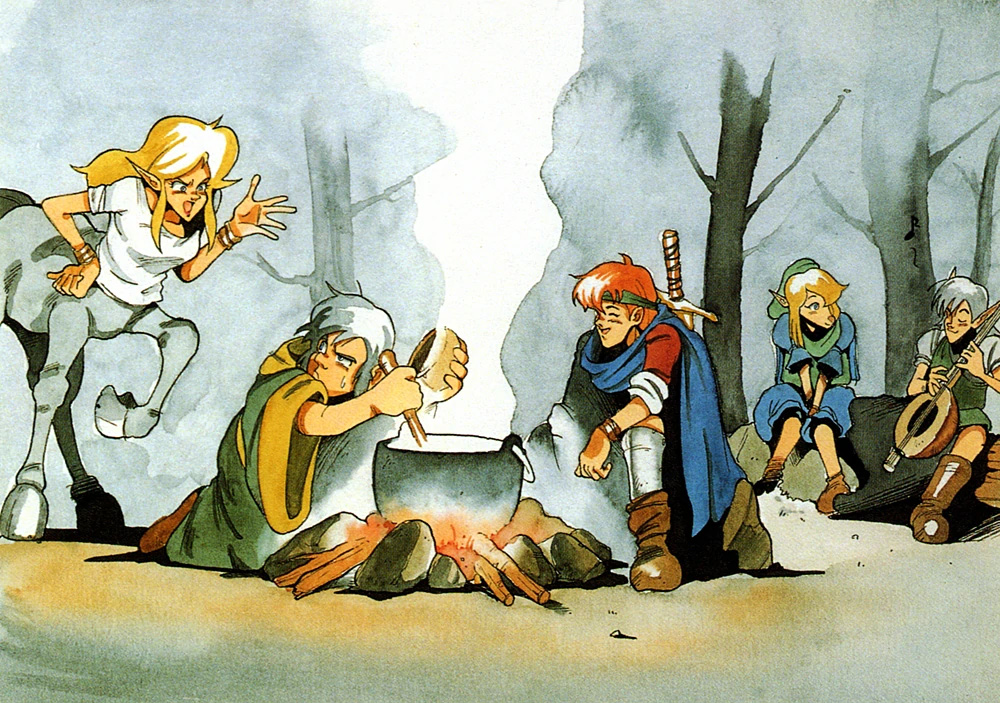
All the games that followed during Sega’s console years built on the world that was created for Shining in the Darkness and then expanded in Shining Force. Chronologically, Shining Force is the first in the series, but there doesn’t seem to be an established canon. Taguchi suggested that all the games after Shining the Holy Ark, which would include Shining Force III, are in a “different era” than the earlier ones, and fans have theorized that all titles after 2002’s Shining Soul occur in an alternate timeline. As weird as it may sound, such existential ambiguity is not new to Shining Force. In fact, it sort of began with Shining in the Darkness. Who is the old man who greets you when you begin the game? Where is the dark void in which he exists located? Is he related to the girl who appears at the start of Shining Force? The girl officially has no name, though Tamaki adopted “Reading Girl” after seeing someone use it to reference her on a BBS. In English, fans call her Simone. “Since she’s meant to be a resident of a place outside of time and dimension, I thought it might be better for her to have no name, to keep things mysterious,” he explained. “Since the theme was war, I wanted to convey a sense of tragedy. The image was something like a child who doesn’t know war reading a book about war and speaking to the viewer.” So, Tamaki essentially created a pair of immortal beings who exist outside the known rules of time and space. I suppose the prospect of different timelines is not so far fetched after all.
To this day, Shining Force remains one of the best reasons to own a Genesis. No knowledge or experience with strategy titles is required to enjoy it, and its characters are sure to earn a place in the hearts of those spend some time in Rune. Climax took the gold nugget it mined in Shining in the Darkness and crafted it into a fine piece of art, and Genesis RPGs would never be the same again.
That is, until a certain elf treasure hunter entered the picture…
Be sure to read part one of our retrospective on Climax’s first Genesis game, Shining in the Darkness, and part three on Landstalker.
Sega-16 would like to thank Andrej Preradovic for his translation work with sources for this article.
Sources:
- Adreyev, Daniel and Chauvire, Eve. “Yoshitaka Tamaki Interview.” Animeland. May 2001.
- “Be Mega Hot Menu Shining Force Pt. 1: A Tactical RPG Based on Experience, What Is It Really Like?” Beep! MD November 1991.
- “Be Mega Hot Menu Shining Force Pt. 1: The Game Story is Contained in a Book.” Beep! MD. January 1992.
- “Be Mega Hot Menu Shining Force Pt.1: Introducing the Town of Guadiana in More Detail.” Beep! MD. February 1992.
- “Beep21 Special Contribution – Hiroshi Naitō-In Memoriam Yoshitaka Tamaki.” Beep21. December 18, 2023.
- “Climax and Sega Invested!! Investigating Game Planning and the Market!!” Mega Drive Fan. November 1991.
- “Data Communication Sonic Software Planning.” Beep! MD. November 1992.
- Davies, Jonti. “Behind the Scenes: Shining Force.” Games. March 30, 2010.
- “Direct Interview with the Creators.” Shining Force: Kamigami no Isan Settei Shiryoushuu. Tokyo: Shokakukan. 1992.
- Famicom Tsuushin Editorial Department. Shining Force Kouryaku no Tebiki. ASCII. April 27, 1992.
- “Famitsu Express Vol. 97: Why Don’t You Try Playing Shining Force?” Famitsu. February 7, 1992.
- “Famitsu Express Vol. 101: Playing a New Game Before It’s Even Released Is a Dream Come True.” Famitsu. March 6, 1992.
- The Making of Land Stalker: The World of Genius Programmer Kan Naito. Tokyo: Shogakukan, November 10, 1992.
- Moogie. “Interview with Yasuhiro Taguchi.” Shining Force Central. August 14, 2002.
- Orimo, Kenji. “The Inside Story Behind the Development of Landstalker: The Emperor’s Treasure.” MarukatsuMD. September 1992.
- “Sega Creator’s Note 17: Yoshitaka Tamaki.” Sega. July 24, 2003.
- “Sega Voice Vol. 2: 2nd Week: Producer Yoichi Shimozato.” Sega. 2004.
- “Shining Force – 1992 Developer Interview.” Shmuplations. (N.D.).
- “Shining Force II – 1993 Developer Interview.” Shmuplations. (N.D.).
- Shining Force: Kamigami no Isan Hyakka. Shogakukan. April 20, 1992.
- “Sonic Communication Act 2.” Beep! MD. November 1991.
- “Sonic Communication Act 4.” Beep! MD. January 1992.
- “Sonic Communication Act 5.” Beep! MD. February 1992.
- “Takahasi Brothers’ Return to Sony Presented by Camelot Pt. 1.” Beep21. May 25, 2022.
- Takahashi, Hiroyuki. “I Want to Make the Industry More Interesting!” Mega Drive Fan. February 1992.
- “Witness to History: Climax Interview.” Sega Consumer History. Tokyo: Enterbrain. 2002.
- Yoshimura, Masahiko. “Mission 4, Boss 4, Mission 5, Boss 5, Mission 9, Boss 9.” Recorded on April 26, 2006. Tracks Tracks 42-45, 52, 53 on Silpheed-PC Sound of Game Arts. Happinet, Scitron Discs. compact disc.
Recent Comments